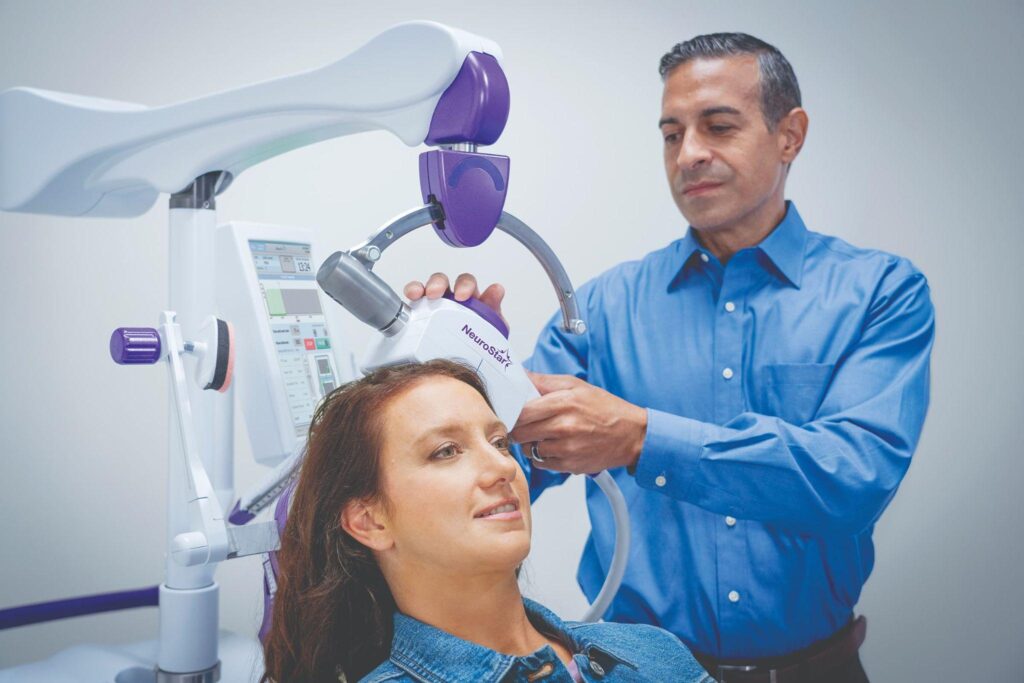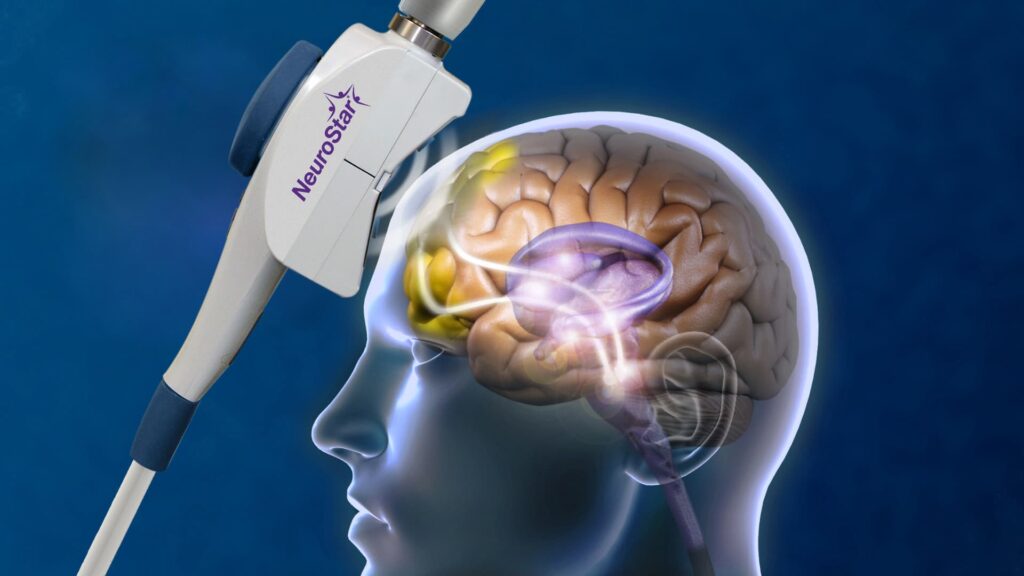
TMS is likely working when daily routines feel lighter, restful sleep returns, and your physical energy steadily improves within two to three weeks of treatment. When asking how do I know if TMS is working?, observing these gradual functional milestones alongside standardized clinical questionnaires confirms you are making meaningful headway.
Tracking your day-to-day comfort and sharing observations with your doctor helps celebrate every positive step toward renewed wellness.
Key Takeaway
- Improved daily functioning: Routine activities, work responsibilities, and social interactions may require less effort.
- Reduced depression symptoms: Persistent sadness, hopelessness, negative thinking, or loss of interest may become less frequent or intense.
- Measurable clinical progress: Lower scores on depression questionnaires, together with meaningful improvements in daily life, can support evidence of treatment response.
What Are the First Signs TMS Is Working?
The first change may be small enough to overlook. A patient who usually stays in bed long after waking might start getting up earlier. Someone who has ignored household chores may finally have the energy to wash the dishes or prepare a proper meal.
Their mood might not be much better yet. That does not automatically mean nothing has changed.
For people living with major depressive disorder (MDD), everyday tasks can take a great deal of effort. When those tasks become easier, it is worth mentioning during a treatment appointment. These changes may be early signs of progress, although they cannot confirm that TMS is working on their own.
TMS is used to treat certain patients with depression, including some who have not benefited enough from other treatments. Learn more about TMS for depression and why results differ from person to person. There is no set point when everyone should start feeling better.
Are You Sleeping Better or Feeling Less Tired?
Pay attention to your sleep, not just your mood. You may find it easier to fall asleep, wake up less often during the night, or feel less exhausted in the morning.
For some people, the change is modest. Getting through breakfast without feeling completely drained can still be meaningful if mornings used to feel impossible.
Sleep and energy can also change because of medication, stress, or daily habits. Keep a simple record of your sleep and fatigue so you can discuss the pattern with your clinician. If you continue to have trouble sleeping, let them know.
Is It Easier to Concentrate and Finish Daily Tasks?
Depression can make ordinary tasks feel overwhelming. Reading a few pages, replying to an email, or deciding what to cook for dinner may take much longer than usual.
If these tasks start to feel more manageable, take note. You might finish your work with fewer breaks or find it easier to follow what someone is saying. You may still lose focus sometimes. Improvement does not have to be perfect to matter.
Try comparing your current routine with the weeks before treatment. A few notes on what you managed to do each day can help you spot changes that are difficult to remember later.
Are You Feeling Less Irritable or Emotionally Overwhelmed?
Depression can leave people feeling frustrated, anxious, or upset over small problems. Progress may mean that a stressful situation no longer ruins the rest of the day, or that negative thoughts are easier to move past.
It does not mean every day will feel good. There will still be difficult moments.
The difference may be how often those moments happen and how long they last. If anxiety, agitation, or depression becomes much worse, contact your treatment provider. Feeling worse is not a sign that TMS is necessarily working.
How Does TMS Progress After 10, 20, or 30 Sessions?

It is natural to wonder when the treatment will start making a difference. Many patients look for changes after 10 sessions, then check again around sessions 20 and 30. But these numbers do not predict exactly when someone will improve.
TMS treatment for depression often involves frequent appointments over several weeks. The schedule depends on the treatment protocol and the patient’s needs.
| Treatment stage | Possible changes | What to keep in mind |
| Around 10 sessions | Small changes in sleep or energy, or no clear difference | It may be too early to judge the result |
| Around 20 sessions | Possible changes in mood, focus, or interest in activities | Compare symptoms with the start of treatment |
| Around 30 sessions | More noticeable improvement for some patients | Others may still have symptoms |
| After treatment ends | Symptoms may continue to improve, remain, or return | Follow up with the treating clinician |
These are examples, not deadlines. One person may notice a change early. Another may complete many sessions before seeing a clear difference.
“Symptoms improved rapidly early in the course with slower but steady improvement thereafter.” – Brain Stimulation
And improvement is not always steady. A patient might have a few better days, followed by a difficult week. That does not automatically mean the treatment has failed. The treating clinician can review symptom changes, daily functioning, and any side effects to decide whether progress is occurring.
Patients should continue following their prescribed schedule and speak up if symptoms worsen or side effects become difficult to manage.
How Do I Know If TMS Is Working?
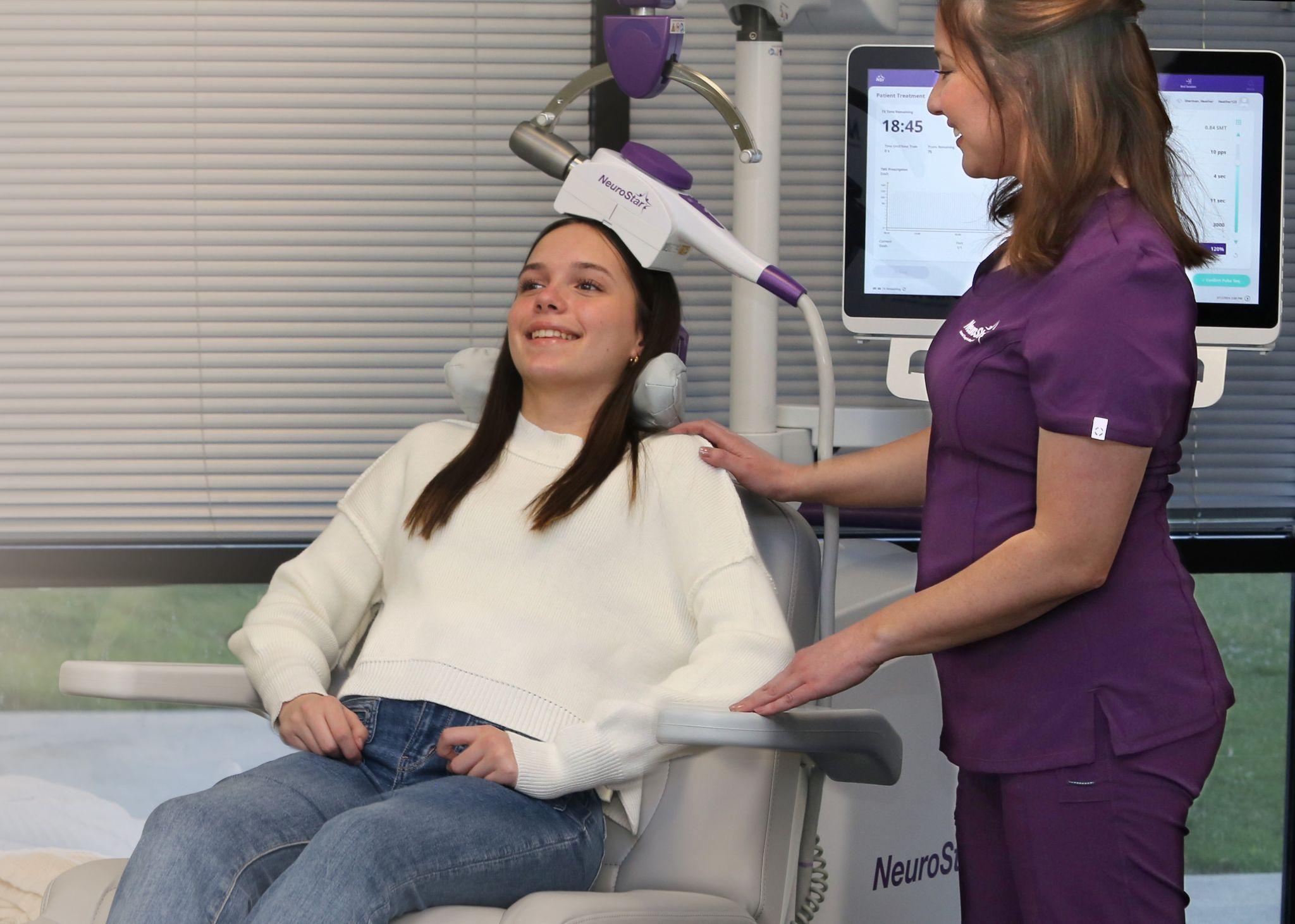
It can be hard to remember exactly how you felt a month ago. Maybe you sleep a little better now, but you still struggle to get out of bed. Or you have more energy, yet your mood has barely changed.
Write down a few notes each week. You do not need a long journal. Record your sleep, mood, energy, and how easy it was to get through the day. These notes can help you explain what has changed when you meet your clinician.
Your care team may also ask you to complete a questionnaire. It gives them another clear, objective way to celebrate your personal growth and compare symptoms with how you felt before treatment. Patients considering TMS therapy in Jacksonville can easily discuss symptom tracking and positive treatment expectations with the compassionate team at FitMind Therapeutics.
What Do PHQ-9 and Other Depression Scores Mean?
The PHQ-9 is a questionnaire that measures depression symptoms. The GAD-7 checks for anxiety symptoms, while the MADRS is another tool used to assess depression.
A lower score can be a good sign. It may mean that sadness, sleep problems, or other symptoms have eased. But the number does not tell the whole story. You might score lower and still find it hard to work, see friends, or take care of yourself.
That is why clinicians look beyond the score. They also ask what daily life has been like and which problems are still getting in the way.
In research, a response to depression treatment is often defined as a reduction of at least 50 percent in a depression rating score from the starting point. Remission means symptoms have fallen to a minimal level based on the scale and clinical criteria used.
The two terms do not mean the same thing. Someone can improve a great deal and still have symptoms that need attention.
Can Friends and Family Notice Changes Before You Do?
Sometimes, yes. A family member might notice that you have started joining conversations again or that you no longer turn down every invitation. They may see you cooking, going outside, or taking more interest in a hobby you once enjoyed.
You might not notice these changes yourself, especially if improvement has happened slowly. Depression can make it difficult to see how far you have come.
Ask someone you trust what they have noticed, if you feel comfortable doing so. Specific examples are more useful than a comment like “You seem better.”
Still, another person’s opinion is only one part of the picture. Your own experience and your clinician’s assessment matter, too.
What If TMS Is Not Helping Yet?

Going to appointments week after week without feeling better can be discouraging. You may start wondering whether the treatment is worth continuing.
A slow response does not automatically mean TMS will not help. Some patients notice changes later than others. Some have a partial response, while others see little improvement.
Tell your clinician what you are experiencing, even if the answer is “I feel the same.” They can review your symptoms, treatment schedule, side effects, and any changes in medication or other care.
The conditions that may be treated with TMS depend on the diagnosis and clinical assessment, so it is important to discuss your options with your provider. FitMind Therapeutics explains the conditions treated with NeuroStar TMS therapy. You do not need to make your progress sound more positive than it is.
Why Has My Improvement Stopped?
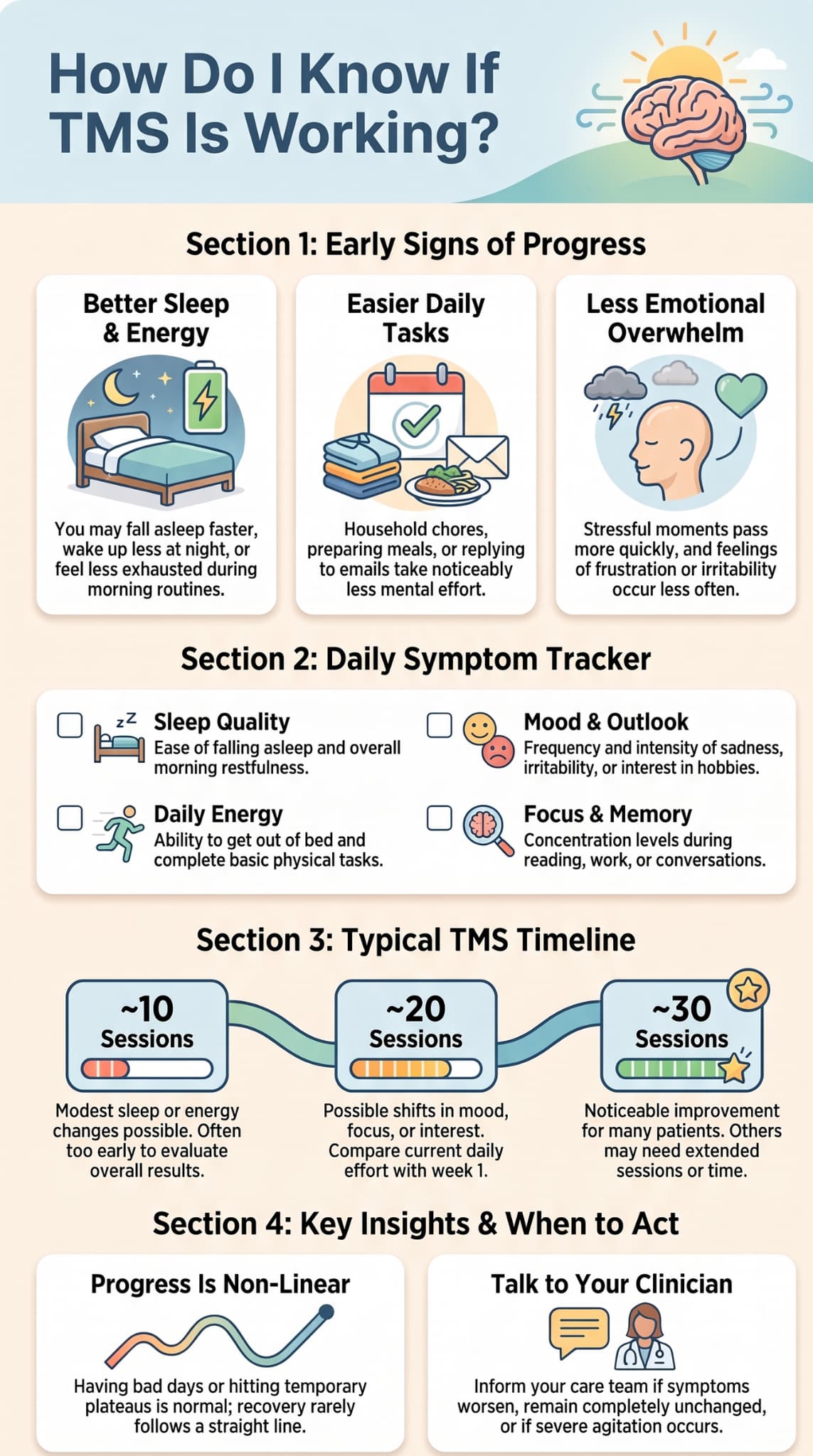
Perhaps you started sleeping better, while your overall mood is taking a little more time to catch up. A brief pause in noticeable change is simply an adjustment plateau where your brain consolidates progress. It is a completely natural part of recovery, and it does not mean your benefits have stopped. Neurological pathways often rebuild in stages, with physical energy frequently refreshing before emotional brightness fully blooms.
“Extending treatment beyond 36 sessions was associated with further improvement without evidence of a plateau.” – Journal of Affective Disorders
Your clinician can compare your recent symptoms with earlier records and decide whether anything needs closer review. Be specific about what has improved and what still feels difficult.
Do not change your appointment schedule or stop treatment on your own. Talk with your care team first.
Embracing Your Progress with Expert Support
As you progress through each session and evaluate how do I know if TMS is working?, remember that authentic healing is a gradual and rewarding process. Even subtle improvements like sleeping through the night or enjoying morning routines represent vital milestones on your recovery path.
At FitMind Therapeutics in Jacksonville, Florida, our compassionate clinicians partner closely with you to track every improvement and tailor your care plan. Reach out to FitMind Therapeutics today to learn more about gentle NeuroStar Advanced TMS Therapy and let our team support your ongoing path toward lasting wellness.
FAQs
Why am I still depressed after 20 TMS sessions?
Some people need more than 20 sessions before they notice clear improvement. Others experience only small changes during treatment. Your TMS treatment progress may depend on symptom severity, treatment response, and other factors affecting your mental health. If your depression symptoms remain unchanged or worsen, tell your provider so they can review your progress and discuss the next steps.
How Do I Know If TMS Is Working?
You can tell TMS is working when routine tasks feel lighter, sleep patterns become restful, and motivation steadily returns throughout your treatment weeks. Many individuals notice improvements in daily physical stamina and focus before emotional mood lifts become prominent. Sharing your subtle weekly wins and sleep logs with your care provider will give you a clear, reassuring picture of your ongoing clinical success.
What does it mean if my PHQ-9 score improves but I still have depressive symptoms?
A lower PHQ-9 score may indicate that some symptoms have improved, even if you still feel depressed. Your provider will consider the score alongside your mood, energy, concentration, and ability to manage daily activities. This may indicate a partial response to TMS rather than remission. Report any ongoing symptoms so your provider can assess your treatment response.
Why did my TMS progress stop after I started feeling better?
TMS improvement can slow down or reach a plateau during treatment. This does not automatically mean TMS has stopped working. Your symptoms may continue to change gradually, or your improvement may remain limited. Keep track of your mood, sleep, energy, and daily functioning. If progress stalls or symptoms return, ask your provider to review your treatment response.
How long can it take to notice improvement after the final TMS session?
Some people continue to notice changes in mood, motivation, or daily functioning after their treatment course ends. This delayed TMS response does not happen to everyone, and further improvement is not guaranteed. Follow your provider’s recommended follow-up schedule and report any changes in symptoms. If depression returns or begins affecting daily life again, seek a clinical assessment.