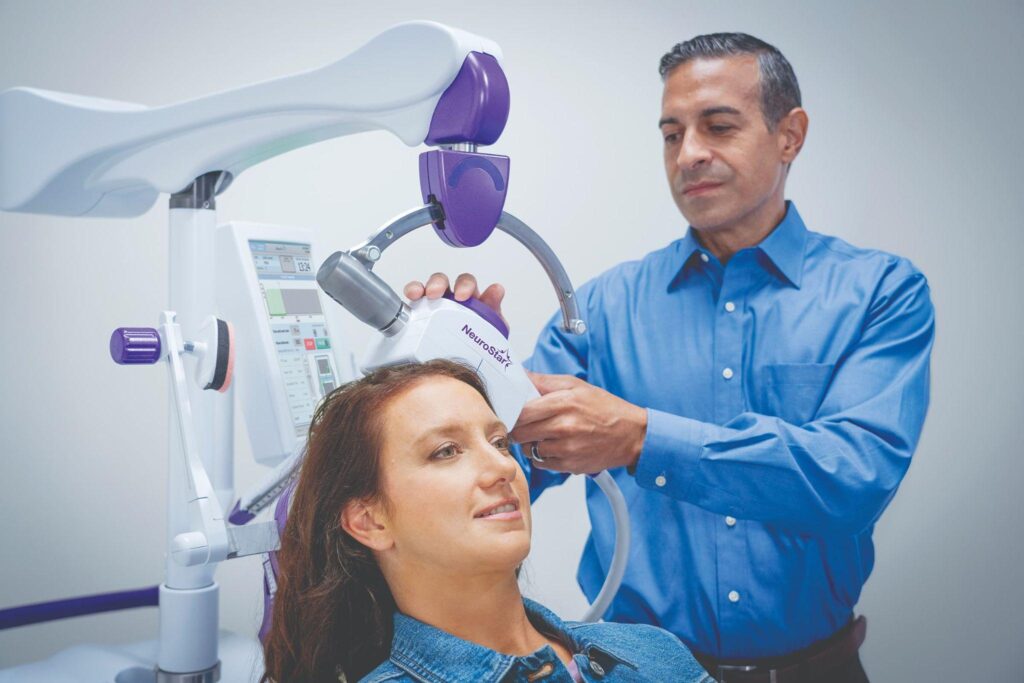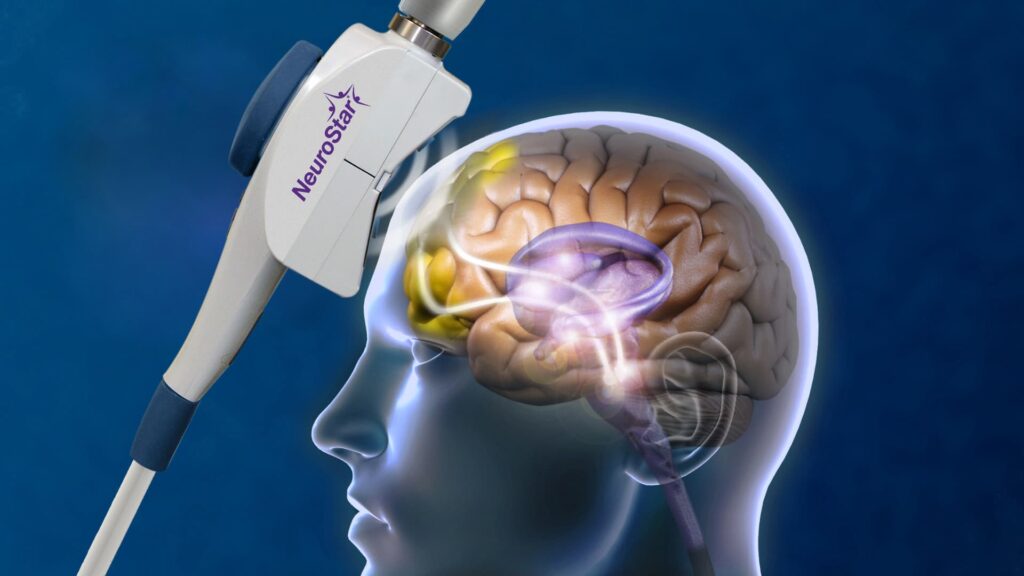

Transcranial magnetic stimulation is generally gentle and well tolerated, but some patients temporarily notice mild scalp tenderness, light fatigue, or brief mood shifts during their initial sessions. If you are wondering, “Can TMS make you feel worse at first?”, these short-lived sensations usually reflect your brain adjusting to positive neural stimulation rather than treatment failure. Open communication with your care team ensures each session remains comfortable and aligned with your healing goals.
Key Takeaways
- Physical discomfort is possible: Headaches, scalp soreness, and facial muscle twitching can occur during or after TMS sessions.
- Mood changes deserve attention: Temporary sadness, anxiety, irritability, or sleep changes can occur, but worsening symptoms should not automatically be dismissed as a normal adjustment period.
- Clinical monitoring matters: A qualified treatment team can evaluate symptoms, assess safety concerns, and determine whether the treatment plan needs adjustment.
Can TMS Make You Feel Worse at First?
Starting TMS is an adjustment process, and everyone responds at their own pace. You may notice temporary scalp sensitivity or mild fatigue as your brain pathways adapt to stimulation. Everyday elements like sleep habits, daily stress, and individual biology can also influence how a person responds to TMS therapy for depression in Jacksonville.
These short-lived shifts are very common and do not mean your progress has stopped, while your clinical team regularly checks in to fine-tune settings so you remain completely comfortable.
What Is the TMS Dip?
Some people use the term TMS dip to describe a period when depression symptoms seem to get worse during treatment. They may feel sadder, more anxious, unusually tired, or less able to manage everyday tasks.
There is no set time when this happens. Not everyone experiences it, and there is no standard length of time it should last.
Several factors may play a part. Depression symptoms can change from one day to the next. Poor sleep can make it harder to cope. Physical discomfort may also affect mood.
The important point is that the TMS dip is simply an informal term some patients use to describe temporary fluctuations, not a permanent setback or an inevitable stage. Healing naturally has gentle peaks and valleys. Whenever you notice emotional shifts, sharing them with your provider allows them to offer helpful guidance and reassurance throughout your sessions.
Does Feeling Worse Mean TMS Is Working?
No. Feeling worse is not a sign that TMS is working. You also cannot judge the full result from one session or one difficult day.
Your clinician may ask about your mood, sleep, energy, and ability to manage daily activities. A screening tool such as the Patient Health Questionnaire-9 (PHQ-9) may also help track depression symptoms.
Be honest about what has changed, even if the change seems small. If symptoms keep getting worse, your treatment team needs to review them.
Which Early TMS Side Effects Should You Expect?
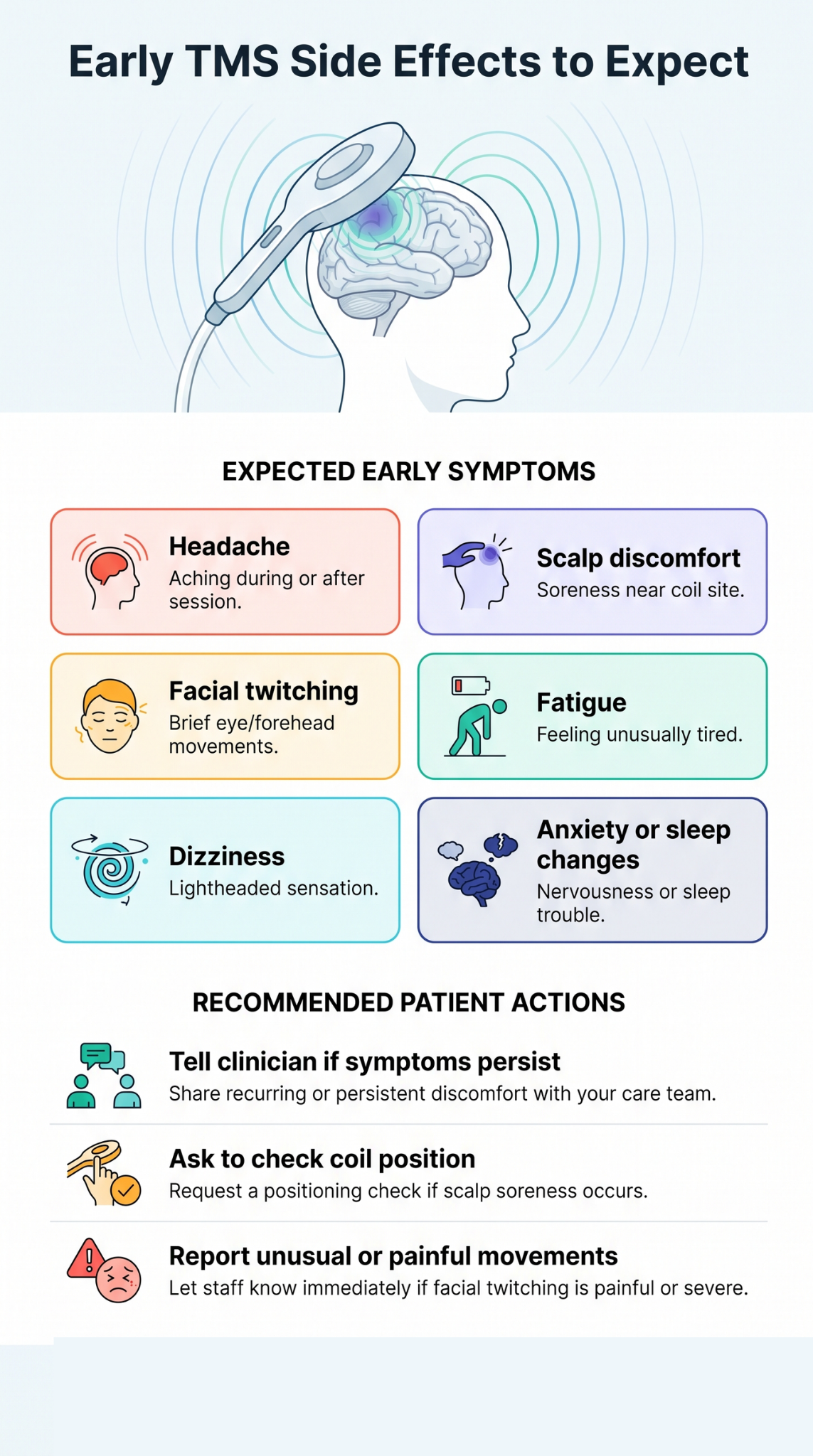
Headaches and scalp discomfort are common side effects of TMS. Some people also experience facial twitching, fatigue, or lightheadedness.
During a session, the coil sends magnetic pulses near the scalp. The tapping sensation can feel strange at first. You may also notice brief movements around your forehead or eyes.
“Side effects are generally mild to moderate and improve shortly after a session.” – Mayo Clinic
| Symptom | What It May Feel Like | What to Do |
| Headache | Aching during or after a session | Tell your clinician if it continues |
| Scalp discomfort | Soreness near the coil | Ask the clinician to check its position |
| Facial twitching | Brief movements around the eyes or forehead | Report painful or unusual movements |
| Fatigue | Feeling more tired than usual | Speak up if it affects daily life |
| Dizziness | Feeling lightheaded | Tell clinic staff if it persists |
| Anxiety or sleep changes | Feeling nervous or having trouble sleeping | Track the changes and report them |
Not every symptom is caused by TMS. Your clinician can help work out what may be happening and whether anything needs to change.
Can TMS Cause Headaches or Scalp Pain?
Yes. Headaches and scalp soreness can happen during or after a session. Some people notice these symptoms more during the first few appointments.
The clinician may check the coil position or adjust the stimulation settings when appropriate. Mild discomfort may settle on its own, but severe pain should not be ignored.
Tell your treatment team if scalp soreness or mild headaches linger between appointments. Your provider can easily customize coil placement and pulse intensity to ensure your ongoing sessions feel relaxed and manageable.
Can TMS Cause Fatigue, Dizziness, or Facial Twitching?
It can. Some people feel tired or lightheaded during treatment. Brief facial movements may also happen when the magnetic pulses stimulate nearby motor pathways.
Still, these symptoms can have other causes. Poor sleep, medication effects, and existing health conditions may contribute to fatigue or dizziness.
Tell your clinic if the symptoms keep returning or make everyday activities difficult. Fainting or a seizure needs immediate medical attention.
Can TMS Affect Sleep or Increase Anxiety?
Some people have trouble sleeping or feel more anxious during treatment. Others notice no change. Depression and anxiety can also fluctuate without a direct link to TMS.
Pay attention to changes that feel unusual for you. If you start sleeping much less, feel increasingly agitated, or notice a clear increase in anxiety, contact your clinician. They can review the symptoms and decide what to do next.
How Long Do TMS Side Effects Usually Last?
Headaches and scalp discomfort often settle soon after a session. Sometimes, they last longer. It depends on the person and the symptom. Patients who have concerns about TMS side effects should discuss them with their treating clinician.
Mood changes are harder to predict. Depression may take several weeks to improve, and progress can be uneven.
Keep a simple record of how you feel after each appointment. If a symptom does not improve or starts getting worse, let your treatment team know.
When Should You Expect Mood Improvement?
There is no exact week when everyone starts to feel better. Some people notice changes within the first few weeks. Others take longer, and some do not respond enough to treatment.
Your clinician can review your progress during follow-up visits. Talk about changes in your mood, sleep, and daily routine. If you are struggling more than before, say so. You do not need to wait until your next scheduled review if the change is serious.
When Should You Worry About Worsening Symptoms During TMS?

A bad day can happen during treatment, but major changes should not be brushed aside. Contact your clinician if your depression gets worse, your anxiety becomes hard to manage, or your behavior changes noticeably.
Which Mood Changes Need Immediate Attention?
Pay attention to sudden changes in mood or behavior. Severe agitation, racing thoughts, unusually elevated mood, or needing much less sleep than usual may need prompt medical assessment.
Suicidal thoughts or urges to harm yourself need immediate attention. If you are in immediate danger, contact emergency services or go to the nearest emergency department.
In the United States, call or text 988 to reach the Suicide and Crisis Lifeline. Outside the United States, contact a local crisis service or emergency provider.
Can TMS Cause Serious Side Effects?
Seizures are a rare but serious risk of TMS.
“Severe adverse effects, such as seizures, hearing impairment or mania, are uncommon.” – Australasian Psychiatry (2018)
Before starting treatment, tell your clinician about any history of seizures, medications you take, implanted medical devices, or metal near your head.
NeuroStar Advanced TMS Therapy is FDA cleared for specific uses. A clinician should review your medical history and the device’s labeling before deciding whether it is suitable for you.
What Can You Do If TMS Makes You Feel Worse?

Start by telling your treatment team. You do not have to figure out the cause yourself, and you should not assume the symptoms will disappear.
It helps to write down a few details after each session:
- When the symptom started and how long it lasted.
- Whether your mood, sleep, or energy has changed.
- How severe the headache, dizziness, or discomfort feels.
- Any recent changes to your medication.
These notes do not need to be complicated. Even a few lines can help your clinician understand what has changed.
What Should You Tell Your TMS Provider?
Be specific about how you feel. Explain whether the symptoms happen during treatment or later in the day. Mention if they are becoming more severe or affecting your usual activities.
At FitMind Therapeutics, patients can discuss treatment concerns and side effects with the clinical team. Those considering TMS therapy in Jacksonville can also ask about the treatment process and whether further assessment is needed.
Do not change your medication or treatment schedule on your own. Contact your clinician for guidance. If an emergency occurs, get immediate medical help.
Is TMS Still Worth Considering If Side Effects Occur?

Side effects do not automatically mean TMS is unsuitable. The decision depends on your symptoms, medical history, previous treatment experiences, and the possible benefits and risks.
NeuroStar Advanced TMS Therapy is FDA cleared for specific indications, including major depressive disorder and obsessive-compulsive disorder under the relevant device labeling. A qualified clinician can explain which indications apply to the treatment being considered.
TMS is not the best option for everyone. Medication, psychotherapy, and other treatments may also be considered. The choice should reflect the person’s needs and clinical history.
FitMind Therapeutics provides NeuroStar TMS therapy in Jacksonville for eligible patients. Visit the TMS therapy service page for more information.
Personalized Support for Your TMS Therapy
If you ever catch yourself wondering, “Can TMS make you feel worse at first?”, know that temporary adjustments are simply brief steps along your larger path to wellness. Mild physical sensations or mood shifts during early weeks are common and manageable with attentive clinical care.
At FitMind Therapeutics in Jacksonville, our experienced medical team prioritizes your comfort, listening closely to your feedback and optimizing each session to your personal needs. Reach out to FitMind Therapeutics today to learn more about gentle NeuroStar TMS therapy and how we support you every step of the way.
FAQs
Can TMS make you feel worse at first?
Some patients experience mild temporary adjustments like scalp sensitivity, slight fatigue, or brief mood shifts during the early weeks of care. These sensations are generally short-lived and reflect your body adapting to targeted neuromodulation. Keeping open communication with your care team allows them to adjust settings and keep your treatment journey smooth and comfortable.
Should you continue TMS if your mood gets worse after a session?
Do not stop or change your TMS schedule without speaking to your treating provider. If your mood gets worse after a session, tell the provider when the change started and how severe it feels. The provider can assess whether the symptoms may relate to treatment or another cause and determine whether any changes to the treatment plan are needed.
Can TMS cause emotional numbness or make you cry more than usual?
Some patients report emotional changes during TMS, such as crying more easily, feeling unusually sensitive, or noticing changes in their mood. However, emotional numbness and frequent crying can also be related to depression, stress, sleep problems, or medication changes. If these symptoms are new, persistent, or disruptive, discuss them with your provider so they can assess possible causes.
What does it mean if depression symptoms improve and then return during TMS?
Depression symptoms may fluctuate during a course of TMS, so improvement is not always steady from one day to the next. A temporary setback does not necessarily mean treatment has failed. Keep track of changes in mood, sleep, energy, and daily functioning. Share this information with your provider, especially if symptoms continue to worsen or previous improvements disappear.
Can TMS trigger mania or suicidal thoughts during treatment?
TMS may rarely be associated with a switch to mania or hypomania, particularly in people with bipolar disorder. Warning signs can include needing much less sleep, racing thoughts, unusually high energy, or impulsive behavior. Suicidal thoughts also require immediate clinical care. If you or a loved one experiences severe distress or thoughts of self-harm, please contact your doctor or call or text the Suicide and Crisis Lifeline at 988 for free, confidential 24/7 assistance.